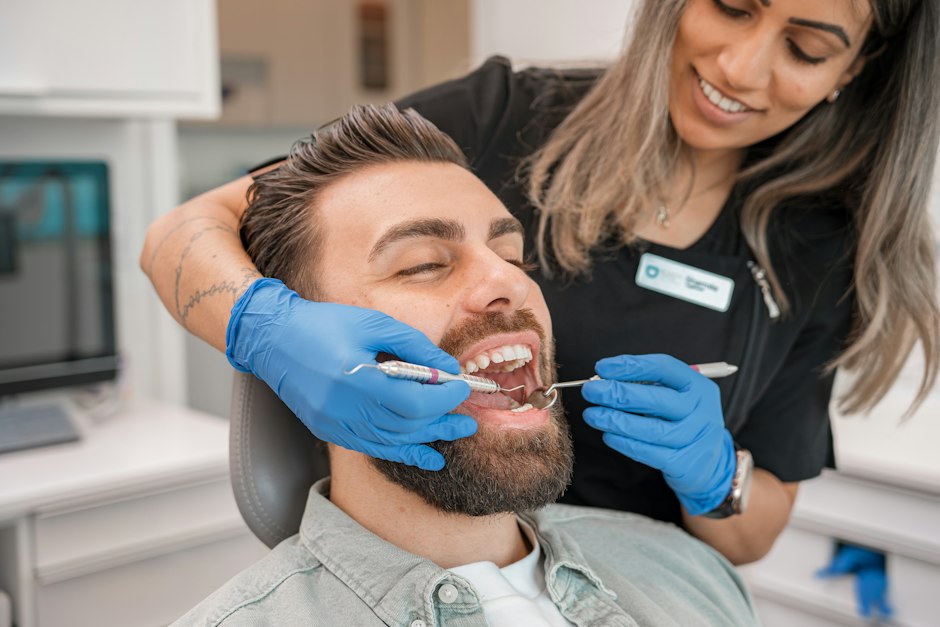
Quick Answer
"Turkey teeth" describes the heavily-filed crowns sold as cosmetic veneers in budget Istanbul clinics. The procedure is not always unsafe, but the risk is in the clinic, not the country. Verify credentials, demand veneers (not crowns) on healthy teeth, and have complication coverage in place before you fly.
Few terms in cosmetic dentistry have gone as viral as “Turkey teeth.” Driven by influencer before-and-afters, BBC documentary coverage, and increasingly vocal warnings from the British Dental Association, the General Dental Council, and the Australian Dental Association, the term now stands for an entire category of cosmetic dental tourism, and the controversies that come with it.
This guide is written from the perspective of an insurance broker, not a clinic. We do not place patients with surgeons, do not collect referral fees from Turkish dental practices, and have no stake in whether you choose Istanbul, Antalya, Budapest, Cancun, Tijuana or your local high-street dentist. What we do have is a financial interest in patients understanding the risks before they travel, because complication claims are easier to prevent than to settle.
What “Turkey Teeth” Actually Means
The term emerged on TikTok and Instagram in 2021–2022 as British and European patients began documenting their cosmetic dental work in Istanbul. The pattern was unmistakable: very white, uniformly shaped, perfectly aligned teeth installed in 3–5 days at a fraction of UK or US prices.
The clinical issue is that the result, in many of the most-shared cases, was not actually achieved with veneers. It was achieved with full crowns placed on teeth that had been aggressively filed down. In the most extreme documented cases, healthy teeth were reduced to small stumps to fit crowns. In milder but still problematic cases, teeth were over-prepared beyond what international cosmetic-dental guidelines suggest is appropriate.
Veneers and crowns are different procedures with different long-term consequences. Many patients arriving home with “Turkey teeth” were quoted veneers, paid for veneers, and were given full-coverage crowns instead.
Veneer vs. crown: the critical distinction
A veneer is a thin layer of porcelain or composite (typically 0.3–0.7mm thick) bonded to the front surface of a tooth. Modern minimally-invasive veneers can sometimes be placed with little or no tooth reduction at all. The natural tooth structure is largely preserved, and if the veneer fails decades later it can usually be replaced.
A crown covers the entire tooth like a cap. Placing a crown requires reducing the natural tooth by approximately 60–70% of its visible structure. Crowns are clinically appropriate for teeth that are already heavily restored, root-canal-treated, fractured or severely discoloured. They are not, by international consensus, a first-line cosmetic option for healthy teeth.
The shorthand version: a veneer enhances a healthy tooth. A crown rescues a damaged tooth. Marketing healthy teeth into crowns is what the term “Turkey teeth” has come to capture.
Why Turkey Specifically?
Turkey is not the only country where cosmetic over-treatment happens, it happens in every market with price pressure and a steady supply of cosmetic-tourism patients. But Turkey has become the centre of the term for several reasons:
- Pricing. A full upper-and-lower set of crowns in Istanbul is commonly priced at £3,500–£6,000 versus £15,000–£30,000 in the UK or US.
- Volume. Istanbul alone hosts hundreds of clinics actively marketing dental tourism, with significant proportion of revenue from international patients.
- Speed. Many clinics market “new smile in 3–5 days” treatment plans designed to fit a short trip, which clinically encourages crowns over veneers, since proper veneer cementation typically requires more careful staging.
- Marketing. Turkish clinics dominated influencer and social-media marketing in the cosmetic-dental space from 2020 onwards, accelerating both the volume of treatment and the volume of complaints.
None of this means treatment in Turkey is inherently unsafe. Turkey has prosthodontists trained at the highest international level, JCI-accredited hospitals, and clinics that produce excellent long-term outcomes. The country also regulates dentistry through the Turkish Dental Association (TDB) and the Ministry of Health. The issue is that the dental-tourism segment has grown faster than market discipline can keep up, and patients have been the loss-leaders.
What Goes Wrong, The Clinical Pattern
Documented complications from over-aggressive cosmetic dental work abroad fall into a recognisable pattern. International dental bodies, including the British Dental Association and General Dental Council, have published patient warnings citing:
Short-term (weeks to months)
- Pulpitis. Inflammation of the tooth nerve from heat or trauma during over-preparation. Symptoms: persistent sensitivity, throbbing pain, sensitivity to temperature.
- Pulp necrosis. The tooth nerve dies. May require root canal therapy or extraction. Often presents 6–18 months after the procedure.
- Bite (occlusion) issues. Crowns cemented at incorrect heights cause headaches, jaw pain (TMD), and uneven wear.
- Acute infection. Bacteria entering exposed dentin or under poorly-sealed crown margins.
Long-term (years)
- Recurrent decay. Bacteria penetrate under crown margins where the seal has failed. Often invisible until the tooth is significantly compromised.
- Gum recession. Crowns at or below the gumline can chronically irritate soft tissue, leading to recession and exposed crown edges.
- Crown debonding or fracture. Even high-quality zirconia and porcelain crowns have a finite lifespan, typically 10–15 years. Replacement requires the underlying tooth to be re-prepared, further reducing the natural tooth.
- Tooth loss. In the worst cases, the cumulative effect of over-preparation, decay, and repeated re-preparation results in the tooth being lost entirely, requiring an implant, bridge, or removable prosthesis.
Most “Turkey teeth” problems do not present immediately. Patients often return home, feel fine for 6–24 months, and then begin experiencing sensitivity, pain, or aesthetic issues. By the time the problems become serious, the original travel insurance window has typically expired and the original clinic is thousands of kilometres away.
What Insurance Actually Does, and Doesn't, Cover
This is where most patients are confused, and where it matters to be precise. There are three categories of coverage that intersect dental tourism, and most patients don't have any of them in place.
Standard travel insurance
Standard travel insurance, the kind sold by airlines, banks, and travel-agent comparison sites, explicitly excludes complications from elective dental and cosmetic procedures. This is universal across the category. If you fly to Istanbul for veneers and have a complication, your travel insurance does not respond. Read more in our medical travel insurance vs. travel insurance guide.
Domestic dental insurance
UK NHS dental coverage, US dental insurance, and equivalents in other countries do not generally cover treatment of complications from elective work performed abroad. They will treat you for emergency pain relief but will not fund corrective work to address a failed crown, a botched smile makeover, or a tooth that needs to be saved after over-preparation.
Medical travel insurance (complication coverage)
Medical travel complication insurance, the category Avia helps international patients arrange, is purpose-built for elective procedures abroad. For dental work specifically, most plans typically cover acute complications of the treatment within a defined post-procedure window: emergency pain management, infection or abscess requiring intervention, post-operative bleeding, and acute nerve issues. See our dental tourism insurance guide for the full category overview.
What medical travel insurance generally does not cover is the long-tail of cosmetic-dental tourism: crown failure 8 years later, gum recession that develops gradually, a tooth that eventually needs an implant. These are dental-care issues, not complication-insurance issues, and they would need to be addressed through your ongoing dental care, at out-of-pocket cost.
The honest version: insurance is most useful for what could go acutely wrong on the trip itself or in the first weeks after returning home. For long-term outcomes, the only protection is choosing a clinician who isn't going to over-treat you in the first place.
How to Avoid Becoming a Cautionary Tale
If you are determined to have cosmetic dental work in Turkey, or anywhere else, the controllable risk factors are mostly clinical, not geographic.
Verify the clinician, not just the clinic
The clinic's marketing matters less than the individual clinician who will hold the drill. Ask for the specific dentist's name in writing before you arrive. Verify their registration with the Turkish Dental Association (TDB). Look for prosthodontic specialty training (not just general dentistry). Avoid clinics that won't tell you in advance who will do your treatment, or that swap your dentist on arrival.
Demand a written treatment plan, in English, before you fly
The plan should specify whether each tooth is receiving a veneer or a crown, the material being used (zirconia, e.max, porcelain, composite), the planned reduction in millimetres, and the staged appointment timeline. If a clinic will not provide this in writing, do not go.
Reject the “3-day smile”
Proper cosmetic dental work on the scale of a full smile rebuild typically takes 7–14 days, sometimes longer with adjustments. Clinics promising 3–5 day timelines are optimising for tourist-trip length, not clinical outcomes. The shorter the timeline, the more pressure to use crowns over veneers and to skip stages.
Get a second opinion at home
Take the Turkish treatment plan to a UK, US, EU, Canadian or Australian dentist before you fly. Pay for a private consultation if needed. If the plan proposes crowns where veneers would do, or aggressive preparation of healthy teeth, that's the warning you needed.
Allow recovery time before flying home
Acute complications can develop within 24–72 hours of treatment. Building in 3–5 days of buffer time at the destination is more useful than any number of online reviews. See can I fly after surgery abroad? for general post-procedure flying guidance.
Have complication insurance in place before you travel
Coverage must be arranged before departure, once a complication has occurred, it is too late. Avia helps international patients from the US, UK, EU, Canada, Ireland and Australia arrange specialised medical travel coverage through licensed partner insurers. Coverage specifics, what is included, the post-procedure window, the benefit limit, vary by the policy you purchase and the underwriter. Request a personalised quote for plan options that apply to your residency and trip.
Sources & Authoritative References
Claims in this article about cosmetic dental tourism risks are sourced from the following authoritative bodies:
- British Dental Association (BDA), official patient warnings and position statements on cosmetic dental tourism.
- General Dental Council (GDC, UK), UK regulator with public guidance on dental tourism.
- Australian Dental Association (ADA), patient guidance on dental tourism risks.
- American Dental Association (ADA), clinical-practice guidance on cosmetic restorative dentistry.
- Türk Dişhekimleri Birliği (Turkish Dental Association), Turkish national dental regulator.
- Council of European Dentists (CED), pan-European dental policy body.
- CDC Yellow Book, Medical Tourism, U.S. Centers for Disease Control medical tourism guidance.
Important: Avia is an insurance broker, not an insurer
Avia arranges medical travel coverage through licensed partner insurers. Coverage, limits, exclusions, eligibility, and availability by state or country are governed by the specific policy certificate issued by the underwriter. Any general information in this article is for educational purposes only, review your policy documents carefully before relying on any coverage description.
Frequently Asked Questions
What are 'Turkey teeth' and why has the term gone viral?
'Turkey teeth' is shorthand for the heavily-filed-down crowns sold as cosmetic veneers in budget Istanbul dental tourism clinics. The term went viral after British dental bodies and broadcasters publicised cases where patients had healthy teeth aggressively prepared to fit crowns, leading to long-term complications.
Are veneers in Turkey actually unsafe?
Not inherently. Turkey has internationally-trained prosthodontists and JCI-accredited hospitals. The safety question is at the clinic level: aggressive over-preparation, marketing crowns as veneers, rushed multi-day timelines, and lack of follow-up are the documented issues, not the country itself.
What's the difference between a veneer and a crown?
A veneer is a thin shell bonded to the front of a tooth, typically requiring 0.3–0.7mm of preparation. A crown covers the whole tooth and requires roughly 60–70% reduction of the natural tooth structure. Many 'Turkey teeth' patients were quoted veneers and given crowns.
What can go wrong with Turkey teeth long-term?
Documented issues include pulpitis, root canal therapy needed years later, recurrent decay under crown margins, gum recession, crown fracture or debonding, persistent sensitivity, bite issues, and in severe cases tooth loss. Once a tooth has been heavily filed, the damage is generally irreversible.
Does medical travel insurance cover dental complications?
Some policies typically cover acute complications, infection, abscess, severe nerve pain, post-operative bleeding, within the post-procedure coverage window defined by the policy you purchase. Long-term issues (failed crowns, gum recession, eventual tooth loss) are generally outside the scope of any short-window complication policy.
How can I avoid becoming a Turkey teeth horror story?
Verify the dentist with the Turkish Dental Association, demand a written treatment plan distinguishing veneers from crowns, reject the “3-day smile”, get a home-country second opinion, allow buffer time before flying, and arrange complication coverage before departure.
Sources
Related reading: Dental Tourism Insurance · Dental Implants Turkey Insurance · Medical Tourism Turkey · Turkey vs. Hungary Dental Tourism · Veneers Abroad