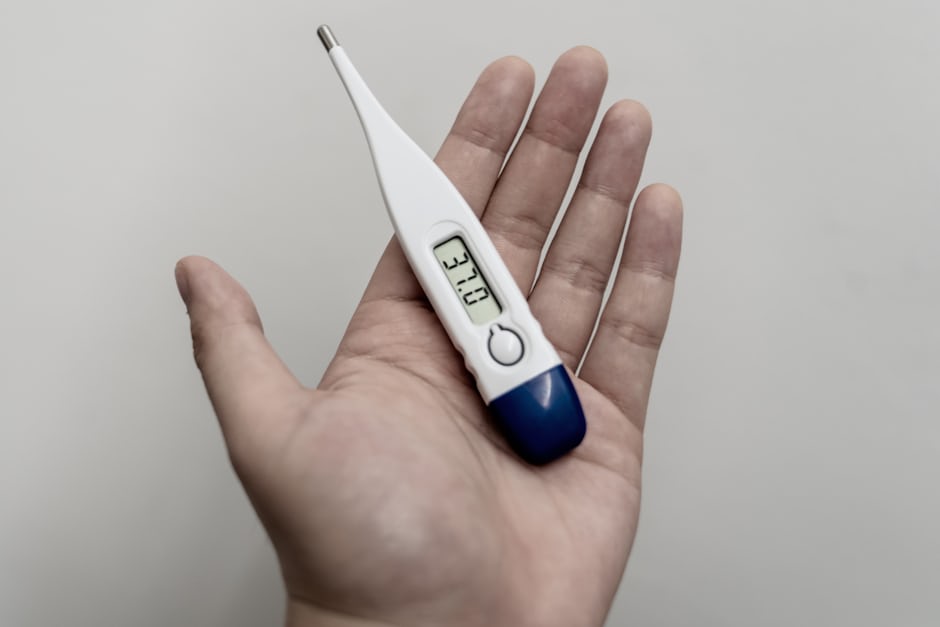
If you have signs of sepsis, call emergency services now. Confusion or extreme drowsiness, difficulty breathing, a very high or very low temperature, a racing heart, or skin that is mottled, pale or discoloured can mean a life-threatening infection. Do not wait to contact the clinic abroad. Go to your nearest emergency department or call your local emergency number.
Infection is the complication medical travellers worry about most, and with reason: it is one of the most common things to go wrong after surgery, and its timing is cruelly suited to travel. Most surgical site infections do not show up while you are still at the clinic. They appear once you are home, days after the flight, when the surgeon who operated on you is thousands of miles away. This guide explains what to look for, when a problem becomes an emergency, why infections after surgery abroad can be harder to treat, and exactly what to do.
Why the Timing Catches Travellers Out
Most surgical site infections develop within two weeks of surgery, and symptoms most often appear around days 5 to 10. A typical medical-tourism trip is shorter than that. Patients are frequently back home, sometimes back at work, before the infection declares itself. By then the clinic abroad is hard to reach, your own doctor may be reluctant to manage someone else's surgery (see will my doctor treat complications from surgery abroad?), and the flight itself is behind you.
This is also why some patients dismiss early signs: they feel fine leaving the clinic, so they assume they are in the clear. The reality is that the highest-risk window often opens after you land.
The Warning Signs of a Surgical Infection
Some redness, swelling and discomfort around an incision is normal in the first days. The signs that suggest infection rather than ordinary healing are these:
- Redness and swelling that increase rather than settle, especially redness spreading outward from the wound.
- Warmth around the incision, or heat extending beyond the surgical site.
- Pain that worsens after an initial improvement. Recovery pain should ease day by day; pain that returns or intensifies is a warning.
- Pus or drainage that is yellow, green, cloudy or foul-smelling.
- The wound opening or edges separating.
- Fever, chills or feeling generally unwell.
Any one of these warrants prompt medical assessment. Several together, or any of them with feeling systemically unwell, should not wait.
Red Flags: When It Is an Emergency
A surgical infection can progress to sepsis, the body's overwhelming and dangerous response to infection, which can lead to organ failure and death. It is a medical emergency. Call your local emergency number or go straight to an emergency department if you have:
| Emergency red flag | What it can signal |
|---|---|
| Confusion, slurred speech or extreme drowsiness | Sepsis affecting the brain |
| Difficulty breathing or rapid breathing | Sepsis or septic shock |
| Very high or very low temperature, shivering | Systemic infection |
| Racing heart, dizziness, mottled or pale skin | Shock |
| Rapidly spreading redness, severe pain, darkening skin | Deep or flesh-threatening infection |
When in doubt, treat it as an emergency. It is always better to be assessed and reassured than to wait on a message to a clinic in another time zone.
Why Infections After Surgery Abroad Can Be Harder to Treat
An infection after surgery abroad is not just an infection far from your surgeon. Two factors can make it genuinely harder to manage:
- Missing records. Treating an infection well means knowing what operation was done and what was implanted. When the operative notes and device details are unavailable, local clinicians are working partly blind.
- Resistant and unusual organisms. The US Centers for Disease Control and Prevention has linked medical tourism to infections that resist common antibiotics, including outbreaks of nontuberculous mycobacteria (NTM) after cosmetic surgery abroad. These can appear weeks after the procedure, slip past routine testing, and take months of specialised antibiotics and repeat surgery to clear. The CDC's reporting on cosmetic surgery tourism infections is worth reading before you travel.
The single most useful thing you can do for any clinician treating you is to tell them exactly what surgery you had, where, and when, and to hand over every record you have. It tells them which organisms to test for and how to treat safely.
What To Do, Step by Step
- Judge the urgency. Any emergency red flag above means call emergency services or go to an emergency department now. Do not wait.
- For non-emergency warning signs, get assessed quickly. See your GP, family doctor, an urgent-care clinic or a pharmacist-led service the same day where possible. Early antibiotics or wound care can stop a small infection becoming a serious one.
- Bring your records. Operation note, discharge summary, any implant or device card, the list of medications you were given, and photographs of the wound over time.
- Contact the clinic abroad and your insurer. Notify the operating clinic and, if you hold medical travel complication cover, your insurer promptly. Claims usually depend on early notification. See how to file a claim for surgery complications abroad.
- Photograph and date everything. A daily photo of the wound gives clinicians a timeline and supports any claim.
Who Pays to Treat It
This is where many patients are caught out. Emergency care is provided by your home system, but the wider cost of treating a complication from a private procedure abroad falls into a gap: the clinic abroad will not pay for treatment elsewhere, standard travel insurance excludes elective-procedure complications, and a public system funds the emergency but not elective revision. Dedicated medical travel complication insurance, bought before you travel, is built to cover eligible complications including infection, the readmission and treatment they require, and emergency evacuation if you become too unwell to fly.
Infection is the textbook example of why this coverage exists. It is common, it usually strikes after you are home, and the bill for treating it has no obvious payer unless you arranged cover before you departed.
Sources
Sources
- Johns Hopkins Medicine: Surgical Site Infections, on signs, timing and risk.
- Cleveland Clinic: Surgical Wound Infection, on symptoms and when to seek care.
- US Centers for Disease Control and Prevention: Medical Tourism, on infection risk and antibiotic-resistant organisms.
General information, not medical advice. If you are worried about a wound or feel unwell after surgery, seek medical assessment promptly; for emergency symptoms, contact emergency services. This page is reviewed periodically.
Citing this page? Please link to https://aviaprotect.com/infection-after-surgery-abroad. Journalists, clinicians and researchers are welcome to use this with attribution to the sources above.
Frequently Asked Questions
How long after surgery does an infection appear?
Most surgical site infections develop within two weeks of surgery, with symptoms typically appearing around days 5 to 10. For medical travellers that often means the infection becomes obvious after the flight home, once you have left the clinic that operated on you. Some infections, including certain bacteria associated with cosmetic surgery abroad, can present weeks later, so do not assume a delayed problem is unrelated to the surgery.
What are the warning signs of infection after surgery abroad?
Key signs are redness and swelling around the incision, increasing warmth, pain that worsens after an initial improvement, yellow or cloudy pus or foul-smelling drainage, the wound opening, and fever. Redness spreading outward from the wound and warmth extending beyond the surgical site are particularly concerning and warrant urgent assessment.
When is an infection after surgery an emergency?
Treat it as an emergency and call your local emergency number if you have signs of sepsis: confusion or extreme drowsiness, difficulty breathing, a very high or very low temperature, a racing heart, or signs of shock. Rapidly spreading redness, severe pain out of proportion to the wound, or skin that is darkening or breaking down can signal a deep, life-threatening infection. Do not wait for a clinic abroad to respond; seek emergency care where you are.
Why are infections after surgery abroad harder to treat?
Two reasons. The operative records and details of what was implanted are often unavailable, so local doctors treat partly blind. And the CDC has linked medical tourism to infections that are resistant to common antibiotics, including outbreaks of nontuberculous mycobacteria after cosmetic surgery, which can take months of specialised treatment and repeat surgery to clear. Tell any treating clinician exactly what surgery you had, where, and when, so they test for the right organisms.
Related reading: Will My Doctor Treat Complications From Surgery Abroad? · NTM Infection After Cosmetic Surgery Abroad · CDC Warning on Cosmetic Surgery Tourism Infections · Complication Rates by Procedure · What Happens If Surgery Abroad Goes Wrong? · Surgery Complications Insurance Abroad