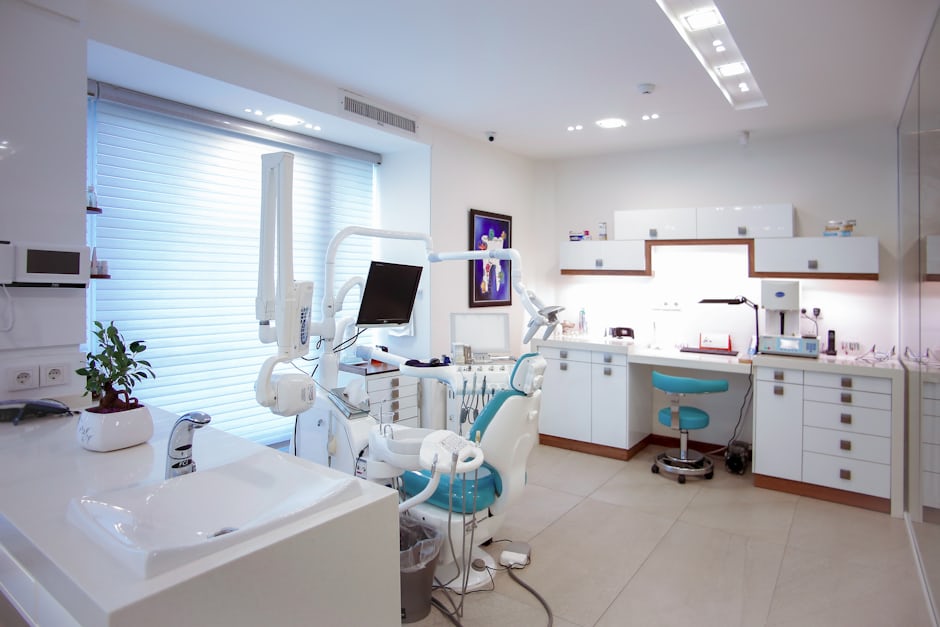
Dental work is the single most common reason Canadians travel for care, because most adults pay for it out of pocket and Canadian prices are high. Abroad, implants, crowns and full-mouth work commonly cost 50% to 70% less. Mexico (especially Los Algodones, "Molar City") leads for Canadians, with Costa Rica, Colombia, Turkey and Hungary close behind. The Canadian Dental Care Plan helps some patients but does not cover treatment abroad, and provincial plans do not cover routine dental at all.
Of all the reasons Canadians cross a border for medical care, teeth top the list. The reason is simple: dentistry sits almost entirely outside Canada's public health system, so for most working-age adults the bill lands directly on the kitchen table. A couple of implants or a full set of crowns can cost as much as a used car, and that is what sends people looking south, and across the Atlantic, for the same work at a fraction of the price.
This guide is written for Canadians specifically: how the costs compare in Canadian dollars, where Canadians actually go, what the new Canadian Dental Care Plan changes (and what it does not), and how to plan a trip so the savings do not turn into a problem.
Why Dental Care Is So Expensive in Canada
Canada's universal health system famously does not include routine dental care. Coverage comes from three patchy sources: employer benefit plans, private insurance, and, more recently, the targeted Canadian Dental Care Plan. Millions of adults fall through the gaps, either uninsured or with annual limits far too low for major work. When a crown is $1,500 and an implant several thousand, a plan that caps out at $1,500 a year does not go far.
The result is a large population of Canadians paying full price for dental work, which is exactly the situation where travelling abroad starts to make financial sense.
The Canadian Dental Care Plan: What It Does and Does Not Do
The Canadian Dental Care Plan (CDCP) is the biggest recent change to the picture, and it is widely misunderstood. As of 2025 it expanded to cover eligible residents aged 18 to 64, on top of seniors, children and people with a Disability Tax Credit certificate. But it comes with real limits:
- Eligibility is means-tested: generally an adjusted family net income under $90,000, with no access to private or employer dental insurance, and you must file your taxes and meet residency rules.
- Co-payments apply on a sliding scale for higher incomes, so it is not always fully free care.
- It covers care provided in Canada by participating providers. It is not designed to reimburse treatment you obtain abroad.
- Major work is limited. Coverage focuses on preventive, basic restorative and prosthodontic care within set fee schedules and pre-authorization rules; extensive implant work is not a blanket benefit.
If you are weighing dental work abroad, do not assume the CDCP will reimburse it. It will not. The CDCP is a domestic program; treatment you arrange overseas is paid by you, the same as any other private dental work.
What It Costs: Canada vs Abroad, in Canadian Dollars
Exact prices depend on the clinic, the materials and the exchange rate, but the gap is large and consistent. These are typical all-in ranges in Canadian dollars:
| Procedure | Typical cost in Canada | Typical cost abroad |
|---|---|---|
| Single implant with crown | ~$3,000 - $6,000 | ~$1,000 - $1,800 |
| Porcelain crown | ~$1,000 - $1,800 | ~$300 - $600 |
| Full-arch All-on-4 (per arch) | ~$25,000 - $40,000+ | ~$11,000 - $16,000 |
| Root canal | ~$1,000 - $2,000 | ~$300 - $600 |
Ranges are indicative, converted to Canadian dollars, and exclude flights and accommodation. Most patients save 50% to 70% overall. Confirm current quotes directly with accredited clinics.
On a full-mouth case the math is striking: a restoration that runs $30,000 or more per arch at home can land near $12,000 abroad, a difference that comfortably covers flights, hotels and a recovery stay with money to spare. For the detail on a single procedure, our guides to dental implants in Mexico and dental tourism insurance go deeper.
Where Canadians Go
Mexico, and "Molar City"
Mexico is the runaway favourite for Canadians, and the most famous spot is Los Algodones, a small town on the border near Yuma, Arizona, nicknamed "Molar City" for its astonishing density of dental clinics. It is a magnet for North American snowbirds, many of them Canadians wintering in the southwest, who walk across the border for a day of dental work. Beyond Los Algodones, Cancun, Tijuana, Puerto Vallarta and Guadalajara all have strong dental sectors, and direct flights from Canadian cities make follow-up realistic. See our Mexico medical tourism guide.
Costa Rica and Colombia
Both are popular with Canadians for dental and cosmetic work, with reputable clinics and a manageable flight. They are common choices for patients who want a recovery destination paired with their treatment.
Turkey and Hungary
For more extensive work, Turkey and Hungary are the European heavyweights. Hungary has been a dental-tourism hub for decades; Turkey draws huge volumes for implants and full-mouth restorations (the widely discussed "Turkey teeth"). The flight is longer, so these tend to suit bigger cases worth the journey. Compare them in Turkey vs Hungary for dental tourism and read the cautions in Turkey teeth.
The Catches to Plan Around
Dental tourism works well for many Canadians, but a few specific risks deserve attention:
- Implants are usually a two-stage process. The post is placed, then months are needed for it to fuse to the bone before the crown goes on. That can mean two trips, or a long stay, or a carefully planned same-trip protocol. Build the timeline in before you book.
- Beware over-treatment. Some high-volume clinics push aggressive full-crown work (filing down healthy teeth) when more conservative options exist. Get a clear treatment plan and, ideally, a second opinion.
- Follow-up is on you. If something needs adjusting after you fly home, your provincial plan will not fund correction of private work obtained abroad, and a Canadian dentist may be reluctant to take on another clinic's case. Keep every record, x-ray and receipt.
- Verify the clinic and dentist. The good clinics use major implant brands and are transparent about credentials. Apply the same checks as any procedure abroad: vetting the provider and the facility.
The Money-Back Angle: Your Taxes
Here is a genuine upside Canadians often miss. Dental treatment is one of the categories that generally qualifies for the Medical Expense Tax Credit, and so can your travel if you had to go far enough for care not available nearer home. That means a meaningful slice of a dental trip, the treatment and potentially the flights and accommodation, may reduce your tax bill. Keep documentation and confirm eligibility, but for many patients this narrows the gap further in favour of going abroad.
The Coverage Gap, Even for Teeth
Dental work is lower-risk than major surgery, but it is not risk-free, and the Canadian coverage gap still applies. Your provincial plan covers nothing abroad, the CDCP is domestic only, and standard travel insurance excludes complications of the elective treatment you travelled for. As we explain in does provincial health insurance cover surgery abroad?, that leaves a hole.
For larger dental cases, surgical extractions, multiple implants, full-arch work, medical travel insurance for Canadians can cover eligible complications from the procedure abroad. It is bought before you travel and sits alongside ordinary travel medical coverage for the trip.
Frequently Asked Questions
Why do Canadians go abroad for dental work?
Most Canadian adults pay for dental care out of pocket or through limited private plans, and Canadian prices are high. A single implant can run several thousand dollars and a full-arch restoration tens of thousands. Abroad, the same work commonly costs 50% to 70% less, which makes travelling for implants, crowns and full-mouth work financially worthwhile even after flights and accommodation.
Does the Canadian Dental Care Plan cover dental work abroad?
No. The Canadian Dental Care Plan (CDCP) covers eligible care provided in Canada through participating providers; it is not designed to reimburse treatment obtained outside the country. The CDCP also has income limits, eligibility rules and co-payments, and it does not cover everyone or every procedure, which is part of why many Canadians still pay privately or travel for major dental work.
How much can Canadians save on dental implants abroad?
Savings are typically 50% to 70%, sometimes more. As a rough guide in Canadian dollars, a single implant with crown that costs roughly $3,000 to $6,000 in Canada often runs about $1,000 to $1,800 in Mexico, and a full-arch All-on-4 that can exceed $25,000 to $40,000 per arch at home commonly costs around $11,000 to $16,000 abroad. Always compare the all-in cost including travel.
Where do Canadians go for dental tourism?
Mexico is the most popular, led by Los Algodones (often called Molar City) near the Arizona border, plus Cancun, Tijuana and other cities. Costa Rica and Colombia are common in the Americas, while Turkey and Hungary are major dental destinations for more extensive work. Mexico's proximity and direct flights from Canada make it the easiest for follow-up.
Is dental work abroad safe, and what about follow-up?
At reputable, well-reviewed clinics using major implant brands, routine dental work abroad can be high quality. The risks are rushed treatment, over-aggressive crown preparation, and the difficulty of follow-up once you are home. Implants often require two stages months apart, so plan the timeline, verify the clinic and dentist, and keep all records. Provincial plans will not fund correction of problems from private work obtained abroad.
Related reading: Medical Travel Insurance for Canadians · Dental Tourism Insurance · Dental Implants in Mexico · Best Countries for Surgery Abroad for Canadians · Claiming Surgery Abroad on Your Canadian Taxes · Turkey vs Hungary for Dental Tourism