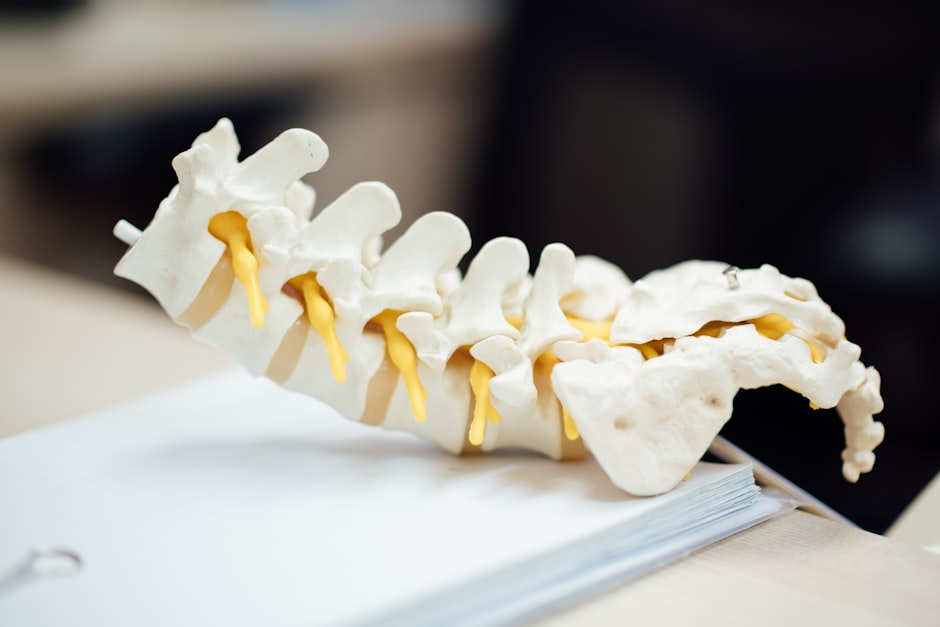
Spine surgery abroad, including discectomy, decompression, spinal fusion, and artificial disc replacement, commonly costs about $6,000 to $15,000 versus $80,000 to $150,000 for a fusion in the United States, a 60% to 80% saving, often with the same implant brands and fellowship-trained surgeons. The reason coverage matters here more than almost anywhere is severity: spine complications such as infection, nerve injury, hardware problems, or the need for revision are serious and costly, and several of them surface after you have flown home, where your health plan and standard travel insurance will not pay.
Few operations carry the stakes of spine surgery. Done well, it can end years of disabling back or leg pain and restore mobility. Done poorly, or complicated by infection or a leak, it can leave a patient worse off than before. That high ceiling and low floor is exactly why the decision to have spine surgery abroad deserves more scrutiny than a routine procedure, and why the financial protection around it deserves more thought.
The economics are compelling. Spinal fusion is one of the most expensive operations in US healthcare, and the same procedure abroad can cost a fraction of the price at hospitals using identical implant systems. This guide covers what spine surgery costs internationally, the complications that genuinely matter, why distance makes them harder to manage, and the coverage gap that leaves patients exposed when a problem appears after they return home.
Why Patients Travel for Spine Surgery
Three forces drive it. The first is raw cost: in the United States a spinal fusion can run from $80,000 to $150,000 or more depending on the number of levels involved, and even insured patients can face large out-of-pocket bills. The second is access and waiting: in public-system countries, elective spine surgery can mean a long wait in pain, the same pressure that pushes patients abroad for other procedures, as covered in surgery wait times in Canada and NHS waiting times for surgery. The third is availability: some procedures, such as certain artificial disc replacements, are offered more readily, or at far lower cost, in destinations like India, Thailand, Turkey, and Mexico.
Quality at the leading centres can be genuinely high. Many international spine hospitals are JCI-accredited, employ surgeons with fellowship training from the US or Europe, and use the same implant systems (Medtronic, Stryker, DePuy Synthes, Zimmer Biomet) found in Western operating rooms. The challenge is not always the surgery itself. It is everything that has to happen afterward.
What It Costs: Home vs Abroad
Spine surgery pricing varies enormously with the procedure and the number of levels treated, but the gap between the US and medical tourism destinations is large and consistent. These are typical ranges for a single or two-level fusion, converted to US dollars:
| Where | Typical cost (spinal fusion) |
|---|---|
| United States | ~$80,000 – $150,000+ |
| India | ~$5,000 – $10,000 |
| Mexico | ~$6,000 – $13,000 |
| Thailand | ~$8,000 – $14,000 |
| Turkey | ~$8,000 – $15,000 |
Ranges are indicative and exclude flights and accommodation. Multi-level fusions and complex revisions cost more everywhere. Confirm current quotes directly with accredited hospitals. For a fuller cross-procedure picture, see our medical tourism cost comparison.
The savings are real and substantial. But with spine surgery more than almost any other procedure, the number that should drive your planning is not the price of the operation. It is the potential cost of managing a serious complication once you are home, which can rival or exceed the surgery itself.
The Procedures Done Abroad
- Microdiscectomy, removing part of a herniated disc pressing on a nerve, one of the most common and lowest-risk spine procedures.
- Laminectomy and decompression, relieving pressure on the spinal cord or nerves, often for spinal stenosis.
- Spinal fusion, joining two or more vertebrae with hardware and bone graft, the highest-volume major spine operation and the focus of most cost comparisons.
- Artificial disc replacement, replacing a damaged disc with a mobile implant, marketed heavily abroad as a motion-preserving alternative to fusion.
First, the Honest Part
Spinal fusion has a roughly 70% to 90% success rate at relieving symptoms, and the lower-risk procedures like microdiscectomy do well for most patients. Plenty of people travel for spine surgery and come home delighted. We are not trying to talk anyone out of good, affordable care. The point is narrower: spine surgery has a higher complication ceiling than most elective procedures, and the structure of a medical trip turns a manageable problem at home into a difficult one abroad. That combination is what coverage is for.
The Complications That Actually Matter
Dural tear and cerebrospinal fluid leak
The dura is the membrane around the spinal cord and nerves. An incidental tear during surgery is one of the more common complications, with reported rates ranging widely and incidental durotomy seen in a notable minority of lumbar cases. A leak of cerebrospinal fluid can cause severe headaches and, if it does not seal, may require further surgery to repair, hard to arrange once you are in another country.
Surgical site and deep infection
Infection after spine surgery, especially around hardware, is serious. Deep infections can require prolonged intravenous antibiotics, repeat surgery to wash out the wound, and sometimes removal of the implants. Like other post-surgical infections, it often declares itself days to weeks later, frequently after a travelling patient has already flown home. See infection after surgery abroad.
Nerve injury
Rare but among the most feared outcomes, nerve or spinal cord injury during surgery can cause new weakness, numbness, or in the worst cases lasting disability. It is precisely the kind of complication that needs immediate, expert assessment and imaging.
Blood clots (DVT and pulmonary embolism)
Major surgery plus reduced mobility plus a long-haul flight home elevates the risk of deep vein thrombosis and pulmonary embolism. Timing your return flight and following clot-prevention advice matters; see can I fly after surgery abroad?
Hardware failure and failed back surgery syndrome
Screws and rods can loosen, shift, or break, and a fusion can fail to take (nonunion). Even technically successful surgery sometimes leaves persistent or returning pain, known as failed back surgery syndrome. A meaningful share of spine patients, often cited at around 24% to 35% depending on the procedure, eventually need revision surgery, which is more complex and more expensive than the original operation.
If you develop new or worsening weakness, numbness, loss of bladder or bowel control, severe unrelenting back pain, fever, or wound drainage after spine surgery abroad, treat it as an emergency and seek care immediately. Do not wait to contact the overseas clinic first.
Why Distance and Spine Surgery Are a Difficult Combination
Most procedures are forgiving of distance. Spine surgery is not. Recovery depends on close neurological follow-up, sometimes urgent imaging (MRI or CT), and the ready availability of the original surgeon and operative records if something needs revisiting. From another country, all of that is harder. A patient who develops a leak, an infection, or new neurological symptoms after flying home is often left seeking a local spine surgeon who did not perform the operation, may not have the records, and may be reluctant to take on someone else's complex case. Revision spine surgery at home is among the most expensive scenarios in elective medical travel, and the original low price abroad offers no protection against it.
The Coverage Gap
This is where spine patients are most exposed, because the downside is so large:
- Your home health system does not cover elective surgery abroad. US private insurance and Medicare, the UK NHS, Canadian provincial plans, Australia's Medicare, New Zealand's public system, Ireland's HSE, and EU statutory schemes do not fund planned spine surgery overseas, and they may treat resulting complications as excluded elective follow-up rather than emergencies. See does health insurance cover surgery abroad?
- Standard travel insurance excludes it. Ordinary travel policies specifically exclude complications of the elective procedure you travelled to have. A claim tied to your spine surgery will be denied. This is why travel insurance does not cover surgery abroad.
- The low price did not include the downside. A revision operation, a course of IV antibiotics for a hardware infection, or an emergency evacuation can cost far more than you saved, and it lands entirely on you.
What Medical Travel Insurance Covers for Spine Patients
Specialized medical travel insurance is built for exactly this gap. It does not pay for the planned operation, but it covers eligible complications of that elective procedure, including ones that present after you return home, within the post-procedure window defined in the plan. For a spine trip that typically means:
- Treatment costs for covered complications such as deep infection, leak repair, or revision related to a covered complication, up to your elected benefit limit, including care after you fly home within the policy's window
- Emergency medical evacuation if local care is inadequate for a covered complication
- Broad emergency medical cover for unrelated illness or injury during the trip
- Companion coordination and trip cancellation benefits, which vary by plan
Benefits, limits, eligibility, and exclusions vary by insurer and plan, so always review the policy certificate. See what medical travel insurance covers, medical evacuation and repatriation, and revision surgery after surgery abroad.
Spine surgery carries one of the highest financial exposures of any procedure abroad. A serious infection, a revision operation, or an air-ambulance evacuation can each run into tens of thousands of dollars. For this category, choosing a high or maximum benefit level is the prudent decision, not the entry tier. A licensed Avia specialist can size the coverage to your specific procedure when you request a quote.
How to Lower Your Risk
- Exhaust conservative care first. For many back conditions, physiotherapy, injections, and time resolve the problem without surgery. Be sure surgery is genuinely indicated before travelling for it.
- Choose a high-volume, fellowship-trained spine surgeon at an accredited hospital. Outcomes track strongly with experience. See how to find a reputable surgeon abroad and JCI accreditation explained.
- Get your imaging and plan reviewed independently. A second opinion on whether the proposed operation, and the choice between fusion and disc replacement, is right for you is worth the effort. See questions to ask a surgeon abroad.
- Plan follow-up and a fallback at home. Know who will manage your recovery and a potential complication once you are back, and keep every operative note, implant record, and scan.
- Time your flight and prevent clots. Discuss when it is safe to fly and follow DVT-prevention guidance; see can I fly after surgery abroad?
- Arrange coverage before departure. Complication coverage cannot be bought after you travel or have the procedure; see when to buy medical travel insurance.
Frequently Asked Questions
How much does spine surgery cost abroad?
A spinal fusion that costs roughly $80,000 to $150,000 in the United States commonly runs about $5,000 to $10,000 in India, $8,000 to $15,000 in Turkey, and around $6,000 to $13,000 in Mexico and Thailand, savings of roughly 60% to 80%. Leading centres often use the same implant systems as US hospitals. Always confirm the all-in price including implants, imaging, and follow-up.
Is spine surgery abroad safe?
At accredited hospitals with experienced, fellowship-trained spine surgeons, the standard of spine surgery abroad can be high, and spinal fusion has a roughly 70% to 90% success rate overall. But spine surgery is among the highest-stakes operations there is, the complications can be serious, and the structure of a medical trip makes follow-up, imaging, and revision much harder. It demands careful surgeon selection and a plan for what happens if something goes wrong after you return home.
What are the main complications of spine surgery?
The serious risks include dural tear with cerebrospinal fluid leak, surgical site infection, nerve injury, blood clots (DVT and pulmonary embolism), hardware failure or malposition, and failed back surgery syndrome, where pain persists or returns. A meaningful share of patients, often cited around 24% to 35% depending on the procedure, eventually need revision surgery. Several of these problems can appear days or weeks after surgery, once a travelling patient is already home.
Will my health insurance cover spine surgery abroad or its complications?
Generally no. US health plans and Medicare, the UK NHS, Canadian provincial plans, Australia's Medicare, and EU statutory schemes do not fund elective spine surgery abroad, and they may decline to cover complications arising from it. Standard travel insurance excludes complications of the elective procedure you travelled for. Specialized medical travel insurance is the category built to cover that gap, and for spine surgery a high benefit level is strongly advised.
How much complication coverage should I get for spine surgery abroad?
Spine surgery has one of the highest financial exposures of any procedure abroad: a serious infection, revision operation, or evacuation can cost tens of thousands of dollars. For that reason a high or maximum benefit level is the prudent choice, rather than an entry tier. A licensed Avia specialist can match a coverage level to your specific procedure when you request a quote.
Sources
- Spine-health: Multilevel Spinal Fusion Risks (complications and revision).
- Incidental Dural Tears During Lumbar Spine Surgery: Prevalence and Management Outcomes (peer-reviewed, dural tear incidence).
Related reading: Hip & Knee Replacement Abroad Insurance · Revision Surgery After Surgery Abroad · Medical Evacuation & Repatriation · Surgery Abroad Complication Rates · Can I Fly After Surgery Abroad? · Medical Tourism in India