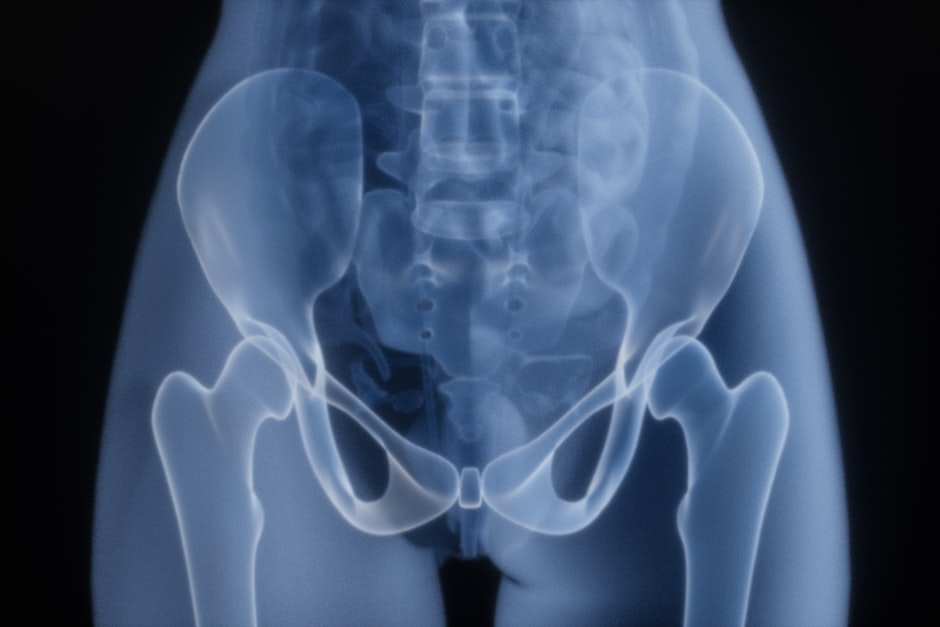
Hip replacement abroad commonly costs about $6,000 to $15,000 versus $28,000 to $40,000 in the United States, a 50% to 80% saving, often with the same implant brands and experienced surgeons. It is one of the most successful operations in medicine, with implants that commonly last 15 to 20 years or more. The reason to think hard about coverage is the small chance of a serious complication, above all dislocation or a joint infection, which can appear after you have flown home, where Medicare, the NHS, provincial plans, and standard travel insurance will not pay, and where treating it can cost more than the original surgery.
Total hip replacement is one of the great success stories of modern surgery. For someone whose hip arthritis has reduced walking to a painful shuffle, replacing the worn joint with an implant can be transformative. It is also costly where it is not publicly funded and slow where it is, which is why many patients now travel abroad for it.
This guide is specifically about hip replacement: what it costs in the leading destinations, the complications that genuinely matter (including the one that is unique to the hip, dislocation), why having the surgery far from home complicates recovery, and the coverage gap that leaves patients exposed when a problem appears after they return. For the broader orthopedic picture, see our pillar guide to hip and knee replacement abroad insurance, and for the other major joint, knee replacement abroad.
Why Patients Travel for Hip Replacement
Two forces drive it. The first is cost: in the United States a total hip replacement commonly runs $28,000 to $40,000, and can climb higher, with large out-of-pocket bills even for the insured. The second is waiting: hip replacement is a long-wait procedure in public systems. In Canada it is tracked against a national benchmark that many patients exceed (see surgery wait times in Canada), and in the UK orthopedics is one of the largest NHS waiting lists (see NHS waiting times for surgery).
The leading destinations for joint replacement are India, Turkey, Mexico, and Thailand, where high-volume orthopedic hospitals, many JCI-accredited and using the same implant systems found in Western operating rooms, perform the surgery at a fraction of the price.
What It Costs: Home vs Abroad
Prices vary with the implant type and the hospital. These are typical all-in ranges for a single total hip replacement, in US dollars:
| Where | Typical cost (total hip replacement) |
|---|---|
| United States | ~$28,000 – $40,000+ |
| India | ~$6,000 – $10,000 |
| Turkey | ~$9,000 – $15,000 |
| Mexico | ~$10,000 – $15,000 |
| Thailand | ~$12,000 – $15,000 |
Ranges are indicative and exclude flights and accommodation. Bilateral, revision, and specialized implants cost more. Confirm current quotes directly with accredited hospitals. For a fuller cross-procedure picture, see our medical tourism cost comparison.
The savings are real and substantial. But the number that should anchor your planning is not the price of the operation. It is the potential cost of treating a complication once you are home, which for a dislocation or joint infection can rival or exceed the surgery itself.
The Procedures
- Total hip replacement (THR), replacing both the ball (femoral head) and the socket with an implant. The standard operation for advanced hip arthritis.
- Hip resurfacing, capping the femoral head rather than removing it, sometimes offered to younger, active patients. It is more technique-dependent and not suitable for everyone, so weigh it carefully.
First, the Honest Part
Hip replacement is a high-success operation, and modern implants commonly last 15 to 20 years or more. Most patients get lasting pain relief and a dramatic improvement in mobility, and many travel for it and come home delighted. We are not trying to discourage good, affordable care. The point is narrower: overall complication rates run around 2% to 10%, a small percentage of cases develop serious problems, and the structure of a medical trip makes those harder and more expensive to manage than at home.
The Complications That Actually Matter
Dislocation (the hip-specific risk)
Unlike the knee, the hip is a ball-and-socket joint, and the ball can come out of the socket, a dislocation. It is reported at roughly 1% to 3% with modern technique and is highest in the early weeks, before the soft tissues heal. That is precisely the window in which a travelling patient is flying home and managing on their own, and it is why surgeons prescribe hip precautions (limits on bending and twisting) during early recovery. A dislocation needs prompt reduction and sometimes further surgery.
Periprosthetic joint infection (PJI)
An infection around the implant, occurring in roughly 1% of primary hip replacements, is the most expensive complication to treat. It often requires a two-stage revision, removing the implant, weeks of intravenous antibiotics, then reimplanting, and the cost back home can exceed the original surgery. It can also appear weeks or months later, after a travelling patient has flown home. See infection after surgery abroad.
Blood clots (DVT and pulmonary embolism)
Hip replacement carries a recognized clot risk, compounded by a long-haul flight home soon after surgery. A clot that reaches the lungs is life-threatening, which is why timing your return flight and following clot-prevention advice matters; see can I fly after surgery abroad?
Leg-length difference, fracture, loosening, and revision
A small difference in leg length can occur and is usually managed with a shoe insert. The bone around the implant can fracture, and implants can loosen over time. Across all causes a share of replacements eventually need revision surgery, which is more complex than the first operation; national registry data list aseptic loosening, dislocation, infection, and periprosthetic fracture as the leading reasons.
If you experience a sudden inability to bear weight, the leg turning or shortening, fever, spreading redness or wound drainage, or calf swelling and breathlessness after a hip replacement abroad, treat it as an emergency and seek care immediately. Do not wait to contact the overseas clinic first.
Why Distance and Hip Replacement Are a Tricky Combination
Hip recovery depends on careful early management: observing hip precautions, structured physiotherapy, and prompt attention if the joint dislocates or becomes infected. From another country that is harder. The early dislocation window coincides with the journey home, a complication needs the original surgeon and operative records, and the flight raises clot risk during the most vulnerable period. A patient who develops an infection or recurrent dislocation after returning is often left seeking a local surgeon who did not perform the operation and faces an expensive revision. None of this rules out travelling; it argues for planning recovery, aftercare, and coverage deliberately.
The Coverage Gap
- Your home health system does not cover elective surgery abroad. US private insurance and Medicare, the UK NHS, Canadian provincial plans, Australia's Medicare, New Zealand's public system, Ireland's HSE, and EU statutory schemes do not fund planned hip replacement overseas, and they may treat resulting complications as excluded elective follow-up. See does health insurance cover surgery abroad?
- Standard travel insurance excludes it. Ordinary travel policies specifically exclude complications of the elective procedure you travelled to have, so a claim tied to your hip replacement will be denied. This is why travel insurance does not cover surgery abroad.
- The low price did not include the downside. A revision for infection or recurrent dislocation, or an emergency evacuation, can cost far more than you saved, and it lands entirely on you.
What Medical Travel Insurance Covers for Hip Patients
Specialized medical travel insurance is built for this gap. It does not pay for the planned operation, but it covers eligible complications of that elective procedure, including ones that present after you return home, within the post-procedure window defined in the plan. For a hip replacement trip that typically means:
- Treatment costs for covered complications such as a joint infection, a dislocation needing surgery, or related revision, up to your elected benefit limit, including care after you fly home within the policy's window
- Emergency medical evacuation if local care is inadequate for a covered complication
- Broad emergency medical cover for unrelated illness or injury during the trip
- Companion coordination and trip cancellation benefits, which vary by plan
Benefits, limits, eligibility, and exclusions vary by insurer and plan, so always review the policy certificate. See what medical travel insurance covers, medical evacuation and repatriation, and revision surgery after surgery abroad.
Because treating a joint infection or a recurrent dislocation can cost tens of thousands of dollars, choosing a high or maximum benefit level is the prudent decision for hip replacement, not the entry tier. A licensed Avia specialist can size coverage to your procedure when you request a quote.
How to Lower Your Risk
- Choose a high-volume orthopedic surgeon at an accredited hospital. Dislocation and infection rates track strongly with surgeon experience and technique. See how to find a reputable surgeon abroad and JCI accreditation explained.
- Understand and follow your hip precautions. Know the movements to avoid in the early weeks, including during the flight home, to reduce dislocation risk.
- Plan rehabilitation and a fallback at home. Arrange physiotherapy and identify who can manage a complication once you are back, and keep your operative notes and implant details.
- Time your flight and prevent clots. Follow your surgeon's guidance on when it is safe to fly and on DVT prevention; see can I fly after surgery abroad?
- Arrange coverage before departure. Complication coverage cannot be bought after you travel or have the procedure; see when to buy medical travel insurance.
Frequently Asked Questions
How much does hip replacement cost abroad?
A total hip replacement that costs roughly $28,000 to $40,000 in the United States commonly runs about $6,000 to $10,000 in India, $9,000 to $15,000 in Turkey, $10,000 to $15,000 in Mexico, and $12,000 to $15,000 in Thailand, savings of roughly 50% to 80%. Leading centres often use the same implant brands as US hospitals. Confirm the all-in price including the implant, hospital stay, and follow-up.
Is hip replacement abroad safe?
At accredited hospitals with experienced surgeons the standard can be high, and hip replacement is one of the most successful operations in medicine, with implants that commonly last 15 to 20 years or more. It is still major surgery: overall complication rates run around 2% to 10%, and the specific risks include dislocation, joint infection, blood clots, leg-length difference, and eventual revision. The bigger issue with going abroad is that complications and recovery happen after you fly home.
What are the main complications of hip replacement?
The hip-specific risk is dislocation, where the ball comes out of the socket, reported at roughly 1% to 3% with modern technique and highest in the early weeks. Periprosthetic joint infection (around 1%) is the most expensive to treat, often requiring a two-stage revision. Other risks include blood clots (DVT and pulmonary embolism), leg-length discrepancy, periprosthetic fracture, and loosening over time. Several can appear after a travelling patient has flown home.
Will my health insurance cover hip replacement abroad or its complications?
Generally no. US private insurance and Medicare, the UK NHS, Canadian provincial plans, Australia's Medicare, and EU statutory schemes do not fund elective hip replacement abroad, and they may decline to cover complications arising from it. Standard travel insurance excludes complications of the elective procedure you travelled for. Specialized medical travel insurance is the category built to cover that gap, and given the cost of treating a dislocation or joint infection, a high benefit level is advisable.
When can I fly home after a hip replacement abroad?
Flying too soon after joint replacement raises the risk of deep vein thrombosis and pulmonary embolism, and early dislocation risk means you must follow hip precautions during travel. Many surgeons advise waiting at least one to two weeks with clot-prevention measures, but follow your surgeon's specific guidance. Build the recommended stay into your trip and arrange complication coverage before you depart, because it cannot be bought once you have travelled or had the surgery.
Sources
- American Academy of Orthopaedic Surgeons (OrthoInfo): Total Hip Replacement (procedure, recovery, and risks).
- Periprosthetic Infection in Joint Replacement: Diagnosis and Treatment (peer-reviewed, infection management).
Related reading: Hip & Knee Replacement Abroad (pillar) · Knee Replacement Abroad · Shoulder Replacement Abroad · Spine Surgery Abroad · Revision Surgery After Surgery Abroad · Can I Fly After Surgery Abroad? · Medical Tourism in India